


en
en v
Phone
Cart0 Tickets
Total: 0
Account
Calendar
Search
Menu

Good Vibes Only

VenueDeutsche Oper Berlin
CalendarFri 22 Jan 2027 - Fri 12 Feb 2027
Synopsis/Details


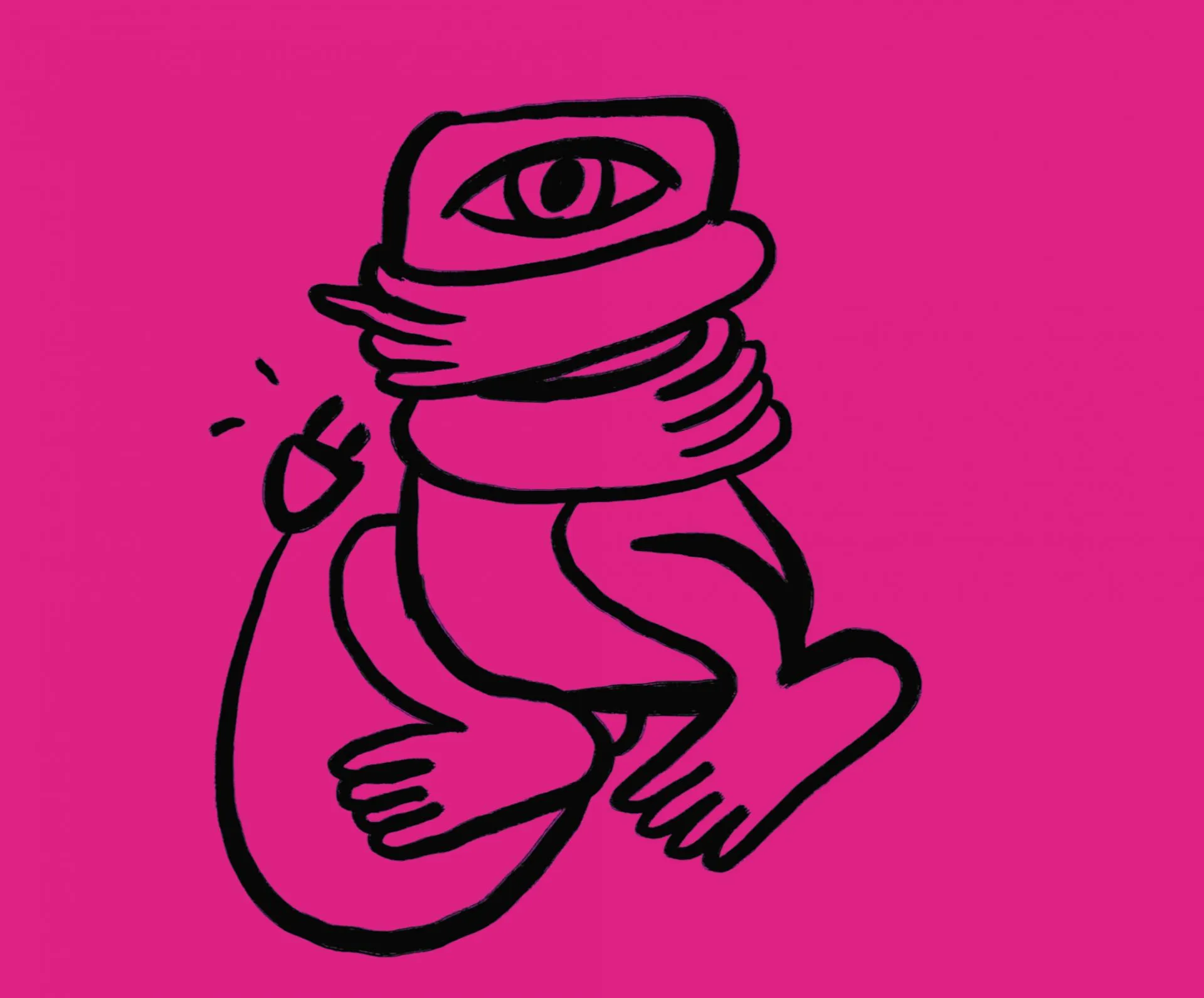
A digital labyrinth: Tens of thousands of digital posts are made around the world every second. Posts are put up, Tweets are written, videos are uploaded. Two thirds of the global population regularly uses social media, and almost half use them every day. A flow of information crashes against our brains, forcing us to make decisions on unrestricted paths through the ever-expanding digital jungle. We fluctuate between two extremes as this happens: touching animal videos alongside images of accidents, meal recipes and lifehacks followed by acts of violence. This heterogenous crossfire in the endless feed of content being permanently shoved into our faces forms a riptide that the recipient can scarcely escape. To counteract this powerlessness to an extent, Icelandic composer Bára Gísladóttir and French author and director Joris Lacoste search for meaning in this multidimensional chaos with Good Vibes Only. This is the first full-length opera for the Siemens Music Foundation grant recipient, celebrated for her dark yet sensitive style that blends influences from noise, metal and classical tradition. Multi-talented artist Lacoste, who has garnered attention with his collage-like, documentary theater pieces, is making his operatic debut. In their collaborative creation, the two explore formal structures and human behaviour that emerge from the manifold interplay within the virtually limitless digital realm. The data world is reimagined as a stage. By rearranging real-world posts, a gigantic spectrum of cognitive and emotional expressions about our world is revealed. Good Vibes Only lets the audience experience the sheer breadth of notifications in the data flow of the digital ether in the form of trans-medial musical theatre. Titus Engel, conductor-in-residence and experienced partner for complex debuts, is conducting his first opera production at Deutsche Oper Berlin. In a highly technological spatial concept, diverse vocal styles combine with orchestral sounds and sophisticated electronics to create a panopticon of our digital age.

Introduction: 45 minutes before the performance in the Rang Foyer on the right

Special notice: Residency Bára Gísladóttir

Language: In English language with German and English surtitles

Duration: approx. 80 minutes / no interval

Age recommendation: from age 14

Co-production: With the generous support of the Ernst von Siemens Music Foundation and Aline Foriel-Destezet

Cast

Musical theatre by Bára Gísladóttir
Libretto by Joris Lacoste
A commission by the Deutsche Oper Berlin
World premiere at the Deutsche Oper Berlin on 22 January 2027


Team

Conductor: Titus Engel

Director: Joris Lacoste

Stage design, Light design: Florian Leduc

Costume design: Carles Urraca

Sound design: Thomas Wegner

Chorus direction: Marco Medved

Dramaturgy: Clara Pons; Konstantin Parnian


Cast

Julieth: Julieth Lozano

Charlotte: Charlotte Mundy

Ty: Ty Bouque

Andrew: Andrew Watts

Noa: Noa Frenkel

Isaiah: Isaiah Robinson

Pascal: Pascal Zurek

Tobias: Tobias Kehrer

Flute: Björg Brjánsdóttir

Bass clarinet: Heather Roche

E-Bass: Skúli Sverrisson

Percussion: Lorenzo Colombo; George Barton

Chorus: Chor der Deutschen Oper Berlin

Orchestra: Orchester der Deutschen Oper Berlin

Venue
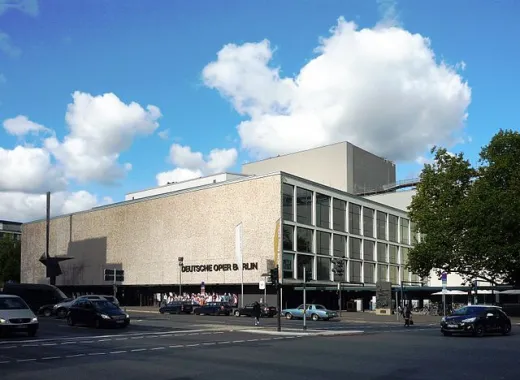
Deutsche Oper Berlin

The Deutsche Oper Berlin is an opera company located in the Charlottenburg district of Berlin, Germany. The resident building is the country's second largest opera house and also home to the Berlin State Ballet.

The company's history goes back to the Deutsches Opernhaus built by the then independent city of Charlottenburg—the "richest town of Prussia"—according to plans designed by Heinrich Seeling from 1911. It opened on November 7, 1912 with a performance of Beethoven's Fidelio, conducted by Ignatz Waghalter. After the incorporation of Charlottenburg by the 1920 Greater Berlin Act, the name of the resident building was changed to Städtische Oper (Municipal Opera) in 1925.


Deutsches Opernhaus, 1912
With the Nazi Machtergreifung in 1933, the opera was under control of the Reich Ministry of Public Enlightenment and Propaganda. Minister Joseph Goebbels had the name changed back to Deutsches Opernhaus, competing with the Berlin State Opera in Mitte controlled by his rival, the Prussian minister-president Hermann Göring. In 1935, the building was remodeled by Paul Baumgarten and the seating reduced from 2300 to 2098. Carl Ebert, the pre-World War II general manager, chose to emigrate from Germany rather than endorse the Nazi view of music, and went on to co-found the Glyndebourne opera festival in England. He was replaced by Max von Schillings, who acceded to enact works of "unalloyed German character". Several artists, like the conductor Fritz Stiedry or the singer Alexander Kipnis followed Ebert into emigration. The opera house was destroyed by a RAF air raid on 23 November 1943. Performances continued at the Admiralspalast in Mitte until 1945. Ebert returned as general manager after the war.

After the war, the company in what was now West Berlin used the nearby building of the Theater des Westens until the opera house was rebuilt. The sober design by Fritz Bornemann was completed on 24 September 1961. The opening production was Mozart's Don Giovanni. The new building opened with the current name.


Accomodation

Buy now

Gift vouchers

Gift someone an unforgettable night at the opera.
Choose a gift coupon and let them pick the performance they love—music, drama, and world-class artistry, all in one elegant experience.
Berlin Opera Tickets
Facebook
Payment
Ticket search
Google Play
App Store
© 2026 RM EUROPA TICKET GmbH
Whatsapp